
Build a Spin-Bowling Plan You Can Test in Practice
Choose a landing target, read the batter’s response and set a supporting field. Use a 24-ball drill to separate execution errors from a weak bowling plan.
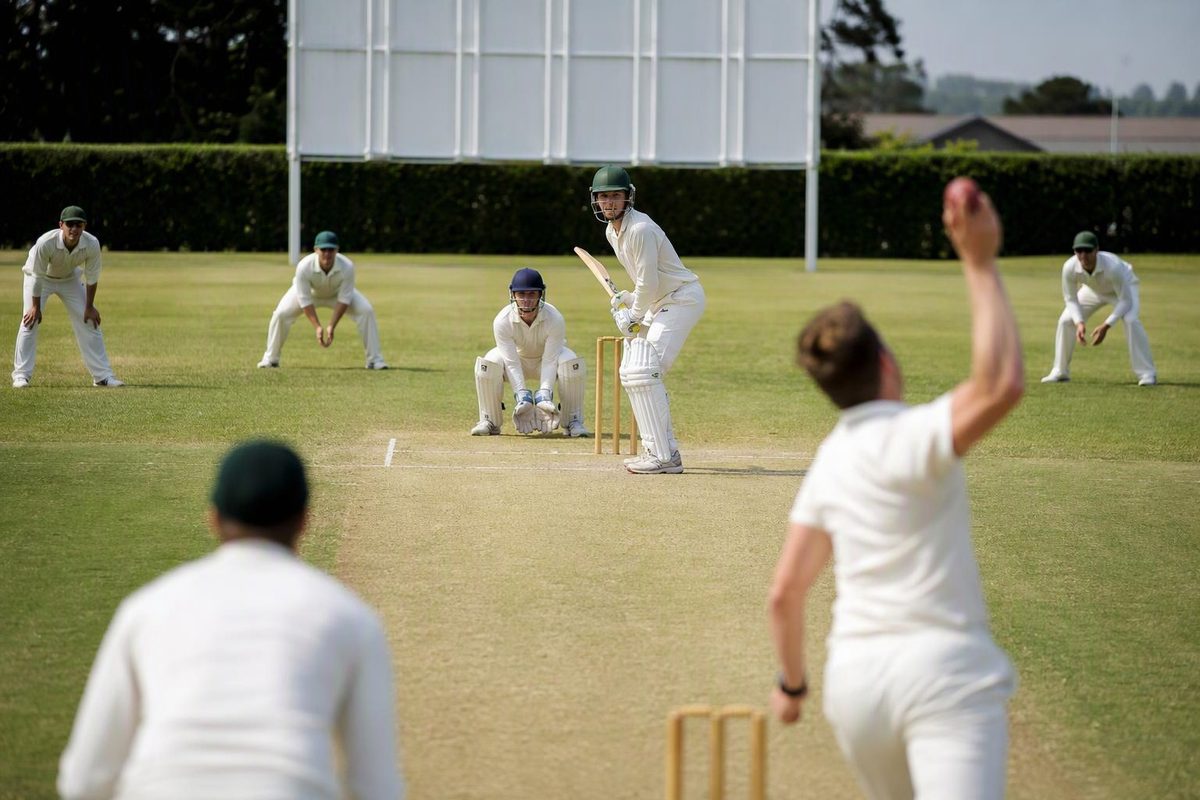
A useful spin-bowling strategy starts with your stock ball, a landing target, an intended response from the batter and a field that supports it. Build that repeatable plan before adding variations: decide where to pitch the ball, what shot or mistake you want to encourage, and which fielder covers the likely shot or chance.
Choose what you observed in practice; use the result to decide what to change next.
Choose Your Next Practice Decision
Keep the Target; Work on Execution
For the second 12 balls, keep your stock delivery and landing target unchanged. Record whether misses are short, full or wide.
Do not judge the plan from balls that missed it. If misses prevent a fair comparison, prioritise stock-ball accuracy.
Test a Small Target Adjustment
Move the landing target a little in one direction only for the second 12 balls. Keep your stock delivery and release intent unchanged.
Compare the batter’s responses to target hits in both blocks, not just boundaries from all deliveries. Retest the adjustment next session.
Keep the Plan Provisional
Keep recording target hits and the batter’s response. Retest next session before treating the plan as dependable.
Take the landing target, intended response and supporting field into your match plan; do not add a variation without a specific problem to solve.
Assess Control, Not Shot Pressure
Record landing accuracy and post-bounce direction. Target hits alone cannot show whether the plan pressures a batter.
Use a properly equipped batter when available to test the intended response.
Source: This article’s 24-ball coaching drill. No numerical success threshold is specified.
Your first controllable skill is repeating the stock ball with purposeful spin. Keep your familiar grip and use one release cue: spin firmly through the release rather than pushing the ball towards the target. In a Cricket Australia coaching interview, Craig Howard cautions that asking a spinner to slow down can reduce their revolutions. Preserve your spin intent rather than chasing a slower delivery at any cost.
Write Your Bowling Plan in One Sentence
Before an over, complete this sentence:
I will land my stock ball on , to make the batter , with ___ covering the likely shot or chance.
For a ball turning away from the batter, your starting plan could be:
I will land it on a length that brings the batter forward, on a line that threatens off stump after turning, with cover supporting the drive and a slip for an outside edge.
That is a starting hypothesis, not a universal field or length. Agree it with your captain and adjust it to the surface, batter, match situation and competition’s fielding restrictions.
Describe your ball as turning towards or away from this batter. A change from a right-hander to a left-hander changes that relationship, even though your stock delivery is unchanged.
If it turns away, test a line that makes the batter defend near off stump rather than offering easy width. If it turns in, test a line that threatens the stumps while accounting for leg-side scoring options. In both cases, judge where the ball actually goes after pitching—not where you hope it goes.
Choose Length From the Batter’s Response
Do not choose a “good length” solely from a distance marked on the pitch. Watch whether the batter can comfortably drive, step back or reach the ball without moving their feet.
In his tips for leg-spin bowlers, Ravi Bishnoi stresses that the pitching area should respond to the batter’s style, height and strong scoring zones. He also recommends using the first deliveries to assess whether the surface is making the ball skid or grip. Finger-spinners can use those observations too, without copying his wrist-spin release.
| What You Observe | What to Test Next |
|---|---|
| The batter repeatedly rocks back and pulls a ball that missed short. | Restore your intended length before changing the whole plan. |
| The batter comfortably drives several balls that hit your target. | Try a slightly shorter landing target, keeping the same line and release intent. |
| The ball turns more than expected and passes outside the stumps. | Adjust the starting line so the stock ball threatens again. |
| The batter repeatedly sweeps accurate deliveries. | Reconsider length and field together; use a specific plan against sweep hitters. |
Separate a missed delivery from a failed plan. A boundary off a full toss tells you little about whether your chosen length works. A well-executed ball that gets scored from is more useful evidence.
Give Each Fielder a Specific Job
Decide which shot you are inviting, which easy scoring option you want to restrict, and which dismissal you are trying to create.
A slip supports an outside-edge plan; cover supports an off-side driving line; mid-on and midwicket may matter when your line and turn bring leg-side shots into play. None belongs in every spinner’s field. Use the field-position guide to discuss angle and depth with your captain.
In a run-saving situation, prioritise the batter’s demonstrated boundary route. When you need a wicket, discuss whether a catching position is worth the scoring space it leaves. Moving a fielder should express a decision, not simply follow the last boundary.
Test One Target Adjustment With 24 Balls
This drill tests one target adjustment, not your full range of variations.
Set a Landing Target for Your Stock Ball
Use a suitable practice pitch, your usual ball and a properly equipped batter if available. Mark a landing rectangle roughly 1 metre long by 0.5 metres wide, using a surface-appropriate flat marking—not loose objects in the batter’s path. Keep it clear of the batter’s stance.
Choose its location from your stock ball’s observed turn and the response you want. These dimensions are a practical starting point, not a technical standard.
Record Execution and Response for the First 12 Balls
Bowl only your stock delivery with your usual approach, grip and release cue. Record:
- Target hit or miss; for misses, note short, full or wide.
- Whether the batter played forward or back, and the shot attempted.
- Controlled contact, beat the bat, or an apparent mishit.
Without a batter, record landing and post-bounce direction only. You cannot assess shot pressure from target hits alone.
Change Only One Thing for the Second 12 Balls
Review the notes. If misses dominated, retain the target and work on execution. If accurate balls repeatedly offered an easy shot, move the target a little in one direction only. Keep the delivery unchanged and record the same observations.
Count target hits in each block and compare the responses to those hits. Look for more of the response you intended without a clear loss of control. Retest the adjustment next session before treating it as dependable.
If stock-ball misses prevent a fair comparison, use the accuracy-without-losing-revolutions drills first.
Take one sentence from that session into your next match: a landing target, an intended response and a field that supports it. Add a variation only when you can name the problem it is meant to solve.