Cricket Bowling Lengths: Recognise Them and Choose Your Target
Understand good length, full balls, yorkers and short balls in cricket, then identify a useful stock-ball length for your spin bowling.
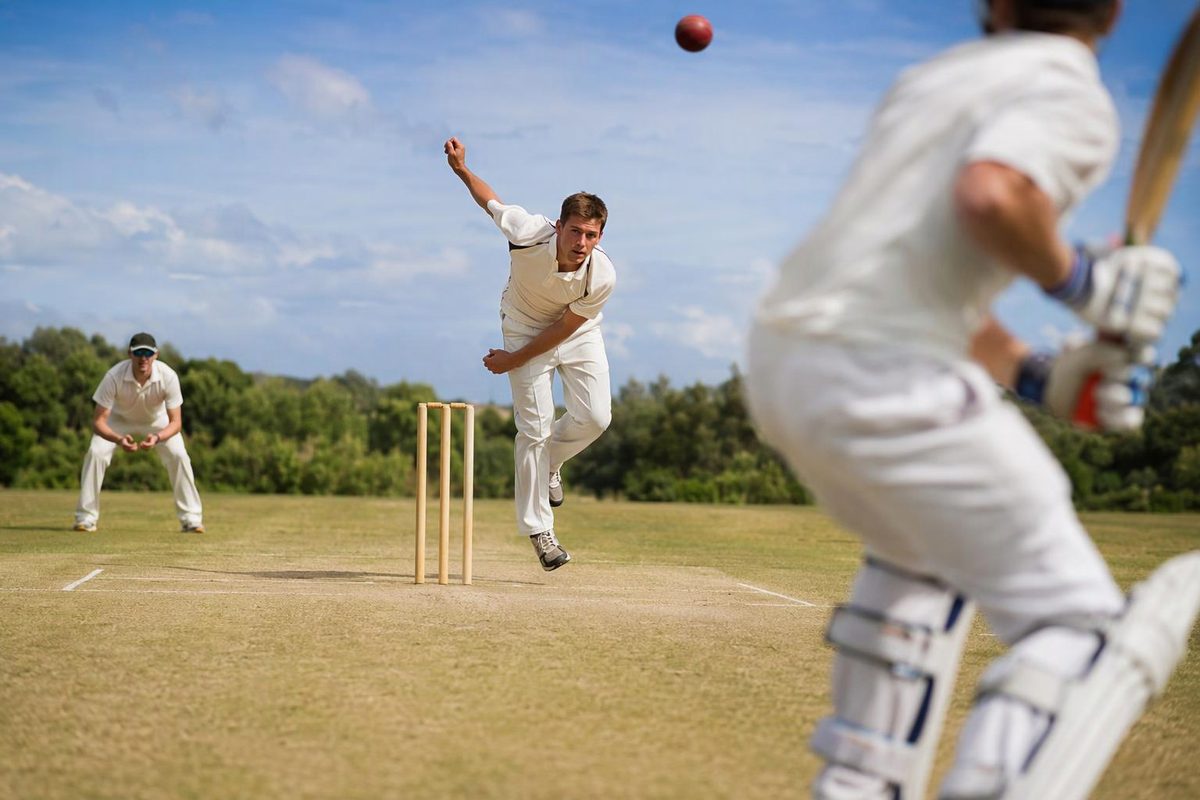
Bowling length means where the ball first bounces along the pitch. Line means its sideways position relative to the batter’s stumps. A ball can have the right length but the wrong line—or the reverse. BBC Sport’s bowling guide explains that distinction.
For a spinner, a useful stock-ball length makes it difficult for the batter to choose confidently between coming forward and going back. It is not simply the spot that produces the most turn.
The bowling lengths, from fullest to shortest
Fuller means closer to the batter; shorter means closer to the bowler. The table separates useful landing areas from common errors. The basic definitions follow BBC Sport and Polly Umrigar’s coaching explanation.
| Length | How to recognise it | Purpose or risk |
|---|---|---|
| Yorker | Reaches the batter at ground level around their feet or the bottom of the bat—the blockhole. | Restricts room to swing the bat. Treat it as a specialist option rather than your spin stock-ball target. |
| Half-volley | Pitches close enough for the batter to strike it almost immediately after the bounce. | Usually an overpitched error: the batter can drive without having to judge much of the ball’s movement after pitching. |
| Full length | Fuller than a good length, but not so full that it becomes an easy half-volley. | Encourages the batter forward. For spin, seek a length they must reach for rather than one they can comfortably hit immediately after the bounce. |
| Good length | Falls between the comfortable forward-playing and back-foot areas. | A useful stock-ball target because it questions the batter’s choice of footwork. |
| Short of a length | Lands farther from the batter than a good length, without necessarily being very short. | Can make forward play awkward, but becomes easier to attack if the batter has time to go back. |
| Short ball / long hop | Lands well back. A long hop sits up invitingly after bouncing. | A short ball can be deliberate; a long hop is the hittable result to avoid, especially for a spinner. |
A full toss reaches the batter without bouncing. Strictly, it has no landing length before contact, although coaching charts often include it alongside the lengths. Umrigar identifies full tosses, half-volleys and long hops as deliveries good batters are normally expected to punish.
A bouncer is a short, fast delivery that rises towards the batter’s upper body, as described in Cricket Web’s glossary. It is not another name for every short ball.
A yorker is an option at the end of an innings: BBC Sport Academy’s yorker guidance explains using the blockhole to limit batting options. Do not assume that makes it the best length for your spin stock ball.
Where is a good length for spin?
There is no single metre mark that makes every delivery a good-length ball. Umrigar explains that the useful spot changes with the batter’s height and reach, and gives a generally fuller area for slow bowlers than fast bowlers. BBC Sport also notes that bowling pace and pitch bounce affect the appropriate length.
Judge the result against the batter:
- Comfortable drive soon after the bounce: you may be too full.
- Easy rock back into a cut or pull: you may be too short, depending on line.
- An uncertain step forward or back: you have found a candidate good length—not proof that every ball there will succeed.
Watch the feet and contact point, not just whether the ball went for runs. A well-played shot does not automatically mean a bad length.
Mark your stock-ball length
Use this short recognition check before practising variations:
- With a suitably equipped batter in a net, bowl six stock balls on one chosen line. Keep your normal spin intent; use the cue “same stock-ball release, eyes on the landing area.”
- Have a partner, observing from a safe position outside the ball’s path, record each delivery as full, candidate good length, or short, adding the batter’s response: forward, back or uncertain.
- Mark a flat target about 1 metre long by 75 centimetres wide around the promising landing area. These are practice dimensions, not an official definition of good length. Keep raised markers outside the playing surface.
- Bowl six more. Record both target hits and footwork. If target hits repeatedly allow comfortable shots, reconsider the target rather than merely trying harder to hit it.
Nathan Lyon describes practising with targets to land the ball in useful areas in his limited-overs spin-bowling guidance. Once you have identified your length, use the line-and-length drills to work on hitting it consistently.