
Why Big Turn Onto the Stumps Still Does Not Make It LBW
Sharp turn, impact in line and wickets hitting cannot rescue a bouncing ball; the rule is the same for leg-spin, off-spin and pace.
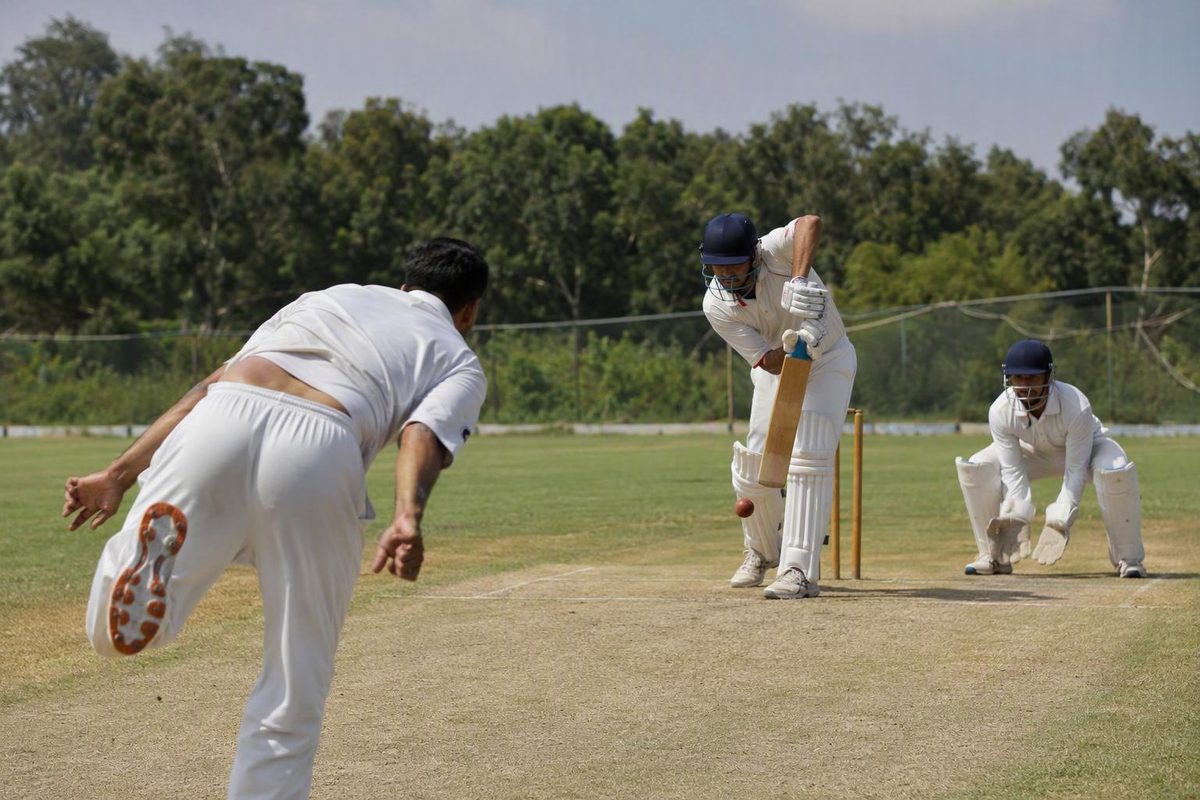
No. If a spinning delivery bounces after pitching outside the striker’s leg-stump line, the batter cannot be dismissed LBW—even if the ball turns sharply, hits the pad in line, and would have struck middle stump. For a bouncing ball, pitching outside leg is a complete legal bar to LBW. Turn does not cancel that restriction. The same rule applies to spin and pace bowling.
Related: How to Judge a Turning Cricket Pitch During Play.
The direct answer: pitching outside leg means not out LBW
For LBW to remain available, a ball that bounces must pitch either between wicket and wicket or on the off side of the striker’s wicket. A delivery pitching outside the striker’s leg-stump line fails that condition, regardless of its subsequent movement.
There is no separate pitching rule for leg-spin, off-spin, left-arm spin, or pace. It does not matter whether the ball turns, swings, seams, or continues straight. A pitched ball landing outside leg cannot produce an LBW dismissal, even when its projected path leads directly into the wicket.
The key question is where the ball pitched, not where it finished. Imagine a leg-break that lands outside a right-hander’s leg stump, turns across the batter, strikes the pad in line, and would have hit middle stump. The projected path may be convincing, but the ball has already failed the pitching condition.
This distinction prompted a viewer’s question about an LBW decision. The linked discussion does not establish enough about the unidentified delivery to determine exactly what happened in that case. The general rule is nevertheless clear: if a bouncing ball pitched outside leg, it was not out LBW.
Pitching, impact, and projected path are three different tests
An LBW appeal becomes easier to understand when you separate three locations:
- Pitching: where a bouncing delivery first lands.
- Impact: where the ball first strikes the batter’s person.
- Projected path: where the ball would have travelled without that interception.
A ball projected to hit the wicket has passed only the final test. It must still satisfy the pitching and impact conditions, as well as the other requirements for LBW.
PITCHING outside leg → IMPACT in line → WICKETS hitting
         FAIL                PASS              PASS

Result: NOT OUT LBW
“Wickets hitting” cannot repair “pitching outside leg.” The pitching point is an eligibility test. Questions about future turn, bounce, angle, and height concern the projected path and require judgment, but they cannot rescue an appeal once the pitching condition has failed.
That is why ball tracking may show a delivery going on to hit the stumps while the final outcome remains not out. The graphic is displaying several tests, not one overall verdict based only on whether the ball would have hit.
Do not confuse these three situations:
- Pitching outside leg: LBW is unavailable for a bouncing delivery.
- Impact outside leg: LBW is unavailable.
- Impact outside off: LBW may remain available, but only if the batter made no genuine attempt to play the ball and every other condition is satisfied.
By contrast, pitching outside off is not an automatic bar. A spinner may pitch outside off, turn the ball back, strike the batter in an eligible place, and obtain an LBW decision if all the remaining conditions are met.
A quick LBW decision sequence for spinners
For a practical appeal, work through the checks in order instead of jumping straight to “that was hitting.”
-
Was it a legal delivery? A batter cannot be dismissed LBW from a no-ball.
-
Did the ball touch the bat first? LBW is unavailable if the ball touched the bat—or a hand holding the bat—before striking the batter’s person. If contact with the bat and person is simultaneous, it is treated as bat first.
-
Where did a bouncing ball pitch? It must pitch between wicket and wicket or on the striker’s off side. If it pitched outside leg, stop: not out LBW.
-
Where was the first impact? Impact outside leg cannot produce LBW. Impact in line can qualify. Impact outside off can qualify only when the batter made no genuine attempt to play the ball with the bat.
-
Would the ball have hit the wicket? Without the interception, the ball must have been on course to hit the wicket. Turn, bounce, angle, and height all matter to this assessment.
The no-shot provision is often misunderstood. Padding up may leave a batter eligible for LBW when impact is outside off, but it does not alter the pitching test. Offering no shot cannot make a ball that pitched outside leg eligible.
These are the relevant conditions set out in MCC Law 36; applying them produces the common spin-bowling outcomes below.
Worked examples: which spinning deliveries remain eligible?
These examples assume that the delivery is legal and that there was no prior contact with the bat or a hand holding it.
| Pitching point | Impact | Path and shot | LBW outcome |
|---|---|---|---|
| Outside leg | In line | Hitting middle; shot offered | Not available |
| On leg stump | In line | Hitting; shot offered | Possible |
| Outside off | In line | Hitting; shot offered | Possible |
| Outside off | Outside off | Hitting; genuine shot | Not out |
| Outside off | Outside off | Hitting; no genuine shot | Possible |
| Outside leg | In line | Hitting; no shot | Not available |
In the first example, a leg-break pitches outside a right-hander’s leg stump, turns sharply, hits the pad in line, and would have hit middle. It is still not out because the delivery failed the pitching test.
The second example is importantly different: on leg stump is not outside leg stump. If the delivery pitches on leg, strikes the batter in line, and would have hit the wicket, LBW remains possible. The other conditions must still be satisfied; pitching on leg does not guarantee the decision.
In the third example, an off-break pitches outside off, turns in, strikes in line, and would have hit the wicket. Its pitching point does not rule out LBW.
The fourth and fifth examples show where the batter’s shot matters. If both pitching and impact are outside off, a genuine attempt to play means not out LBW. With no genuine attempt, impact outside off may qualify if the ball would have hit the wicket and all the other conditions are met.
The final example closes another perceived loophole. Deliberately padding away a ball does not help the bowler when the ball pitched outside leg. The no-shot provision changes the treatment of impact outside off; it does not change the outside-leg pitching restriction.
“Outside leg” is relative to the striker rather than permanently tied to the left or right side of a diagram. Mirror the picture for right- and left-handed batters, identify the striker’s leg side, and then judge the pitching point.
The full-toss exception and the practical lesson for bowlers
A full toss is different because the batter intercepts the ball before it pitches. There is no pitching point to classify, so the normal pitching-location condition does not apply.
A legal full toss can therefore produce an LBW dismissal when the remaining requirements are met. The ball must strike the batter’s person without first touching the bat or a hand holding it, the impact must occur in an eligible place, and the ball must otherwise have been on course to hit the wicket. This full-pitch qualification is expressly included in MCC Law 36.
That is an exception to the pitching-location test, not advice to bowl full tosses and not a guarantee of an LBW decision. Legality, first contact, impact, and projected path still have to be assessed.
For a spinner planning an LBW with a bouncing delivery, the practical lesson is simple: do not pitch outside the striker’s leg-stump line. Check where the ball landed before admiring how far it turned. If it pitched outside leg, the LBW question ends there—even when the projected path is hitting the wicket.
Frequently asked questions
Does the outside-leg rule change for leg-spin, off-spin, or pace bowling?
No. Bowling style changes how you judge the ball’s likely path, but it does not change the pitching condition. Whether the delivery is a leg-break, off-break, left-arm spinner’s stock ball, inswinger, or seamer, a bouncing ball that pitches outside the striker’s leg-stump line cannot result in LBW.
Can a batter be LBW if the ball hits above bail height?
Potentially. The height of the impact does not settle the appeal by itself. The question is whether the ball would subsequently have hit the wicket.
If the projected path would carry the ball over the bails, the batter is not out LBW. If the ball would dip, turn, or continue into the wicket—and every other condition is satisfied—LBW remains possible. Impact height and the expected trajectory therefore have to be considered together when applying the LBW projected-path test.