
What the New Cricket Ball Size Law Means for Spin Bowlers in 2026
MCC’s new ball sizes take effect on 1 October 2026. Compare Size 1, 2 and 3 specifications and prepare with a simple spin-bowling drill.
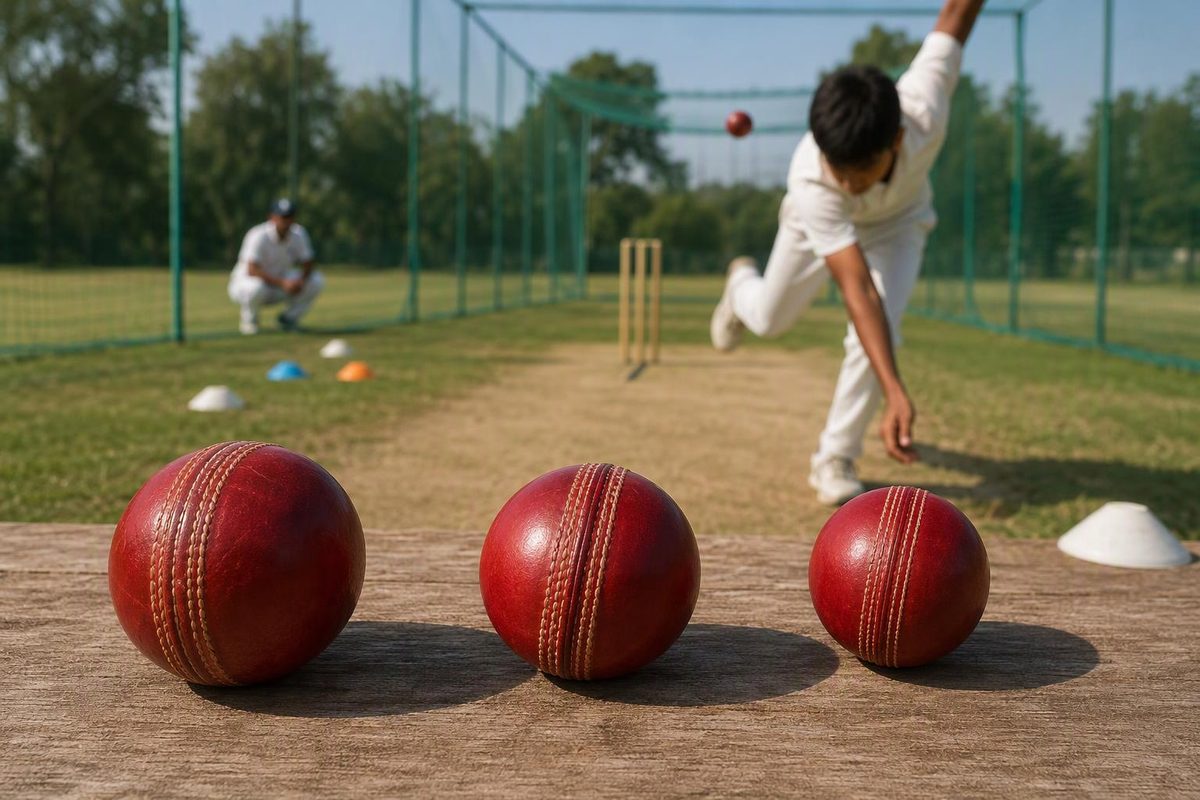
MCC’s new cricket ball size law takes effect on 1 October 2026. Law 4 will define three specifications—Size 1, Size 2 and Size 3—rather than assigning separate specifications directly to men’s, women’s and Under-13 cricket.
The Size 1 specification is effectively unchanged, apart from rounding the lower weight from 155.9 g to 156 g. The permitted ranges for the two smaller balls become narrower, and all three sizes appear together in Law 4.1.
The new ball sizes
| New category | Weight when new | Circumference when new | Broad equivalent under the previous Law |
|---|---|---|---|
| Size 1 | 156–163 g (5.5–5.75 oz) | 22.4–22.9 cm (8.81–9 in) | Men’s ball |
| Size 2 | 142–149 g (5–5.25 oz) | 21.5–22 cm (8.46–8.66 in) | Women’s ball |
| Size 3 | 133–140 g (4.69–4.84 oz) | 20.5–21 cm (8.07–8.27 in) | Under-13 ball |
Those are the measurements in the official 2026 Code of the Laws of Cricket. MCC published the revised edition in February 2026 ahead of its October commencement and said it had worked with ball manufacturers to establish the new limits and names (MCC announcement).
Until 1 October 2026, the existing Law permits:
- men’s balls of 155.9–163 g and 22.4–22.9 cm;
- women’s balls of 140–151 g and 21–22.5 cm;
- Under-13 balls of 133–144 g and 20.5–22 cm.
The women’s and Under-13 ranges therefore overlap. Under the new Law, each numbered specification has a 7 g weight range and a 0.5 cm circumference range. MCC’s comparison of the 2026 amendments shows the old and new figures together.
Your competition decides which size you use
The numbered categories do not automatically assign every player to a ball. New Law 4.6 says the governing body responsible for the match determines the size. If it has made no determination, the umpires decide under Law 2.3.1.1 (2026 Code, Laws 4.6 and 2.3).
For a club player, the practical instruction is simple: check your competition’s playing conditions. Do not assume that age, gender or a retailer’s product label settles the question.
Before buying several practice balls, ask your club or competition organiser:
- Which numbered size applies to your matches?
- Which Laws and playing conditions apply to matches around 1 October?
- Which make and model will be used in matches?
The umpires retain control of match balls. Weighing a ball at home can help you organise practice equipment, but it does not approve that ball for a match.
A 24-ball adjustment drill for spin bowlers
A change in circumference can alter how the ball sits in your hand. Do not respond by immediately adding a new variation or rebuilding your action. First test whether you can deliver your stock ball with the required match size.
Set up: Use a ball of the confirmed size and place a 60 cm square landing target on your intended good length. Bowl from your normal approach.
Action: Bowl 24 stock balls in four sets of six. Finger-spinners should keep their usual finger-led release. Wrist-spinners should retain their normal wrist position and spinning-finger action. Use one cue only: release with normal spin intent rather than squeezing the ball for control.
Record after every ball:
- target hit: yes or no;
- clean release: yes or no;
- obvious slip or drag from the hand: one brief note.
Use four target hits and four clean releases in each set of six as a practical checkpoint, not as a rule of cricket. If the release feels unfamiliar, shorten your approach for one set instead of changing the grip after every ball. Then return to your full approach and compare the next six deliveries.
Repeat the test in two or three sessions before making a technical change. This gives you more than one day’s evidence about whether the new ball is affecting your release. For a fuller session built around the same principle, use this measurable stock-ball practice plan.
The law change standardises the permitted size ranges; it does not require a spinner to rebuild their action. Confirm the ball your competition will use, practise with that specification and judge the adjustment from recorded releases rather than first impressions.